

Managing a global print-on-demand (POD) network means dealing with dozens of international shipping carriers and thousands of customers looking for real-time order transparency. For SenPrints, scaling their global fulfillment operations meant shifting away from decentralized tracking chaos toward an enterprise-grade automated solution. By integrating Trakow Order Tracking's powerful tracking API, they transformed their post-purchase workflow — successfully tracking 50,000+ global shipments across more than 50 carriers, while keeping tracking data latency down to just 35 minutes.
SenPrints – Client Background

SenPrints is a premier global print-on-demand platform specializing in custom apparel, gifts, and accessories. Operating an international fulfillment model across major markets — including the US, Europe, Australia, and Asia — their primary challenge was centralizing multi-carrier data without slowing down their platform performance. To achieve maximum flexibility, they bypassed standard e-commerce plug-ins in favor of a direct API tracking integration.
The Challenge – Overcoming Fragmented Courier Networks and High WISMO Support Ticket Volumes
- Fragmented Multi-Carrier Data Tracking: Coordinating international fulfillment through a diverse network of regional couriers (including USPS, DHL, Yun Express, and Royal Mail) created fragmented transit visibility and delayed operational reporting.
- Escalating Support Overheads (WISMO): The lack of standardized, real-time tracking data synchronization triggered an unsustainable volume of "Where is my order?" (WISMO) customer service inquiries.
- Fulfillment Performance Blind Spots: Without high-frequency API data updates, the logistics team faced delayed supply chain analytics, leaving them vulnerable to unoptimized transit times and carrier inefficiencies.
The Trakow Order Tracking Solution: Deploying a High-Performance, Real-Time Tracking API Pipeline
SenPrints integrated the Trakow API by Synctrack to architect a robust, enterprise-level backend order tracking ecosystem optimized for high-volume global distribution.
- Unified Multi-Carrier API Architecture: Instantly aggregated data from over 50 international fulfillment networks into a single, cohesive developer API pipeline.
- Automated Data Synchronization & Low Latency: Implemented automated tracking webhooks that refresh transit milestones at an average latency of just 35 minutes, keeping internal databases accurately mapped.
- Enterprise-Scale Infrastructure: Built a resilient data pipeline capable of effortlessly handling peak transaction periods of 350 to 550+ shipments per day with zero service interruption.
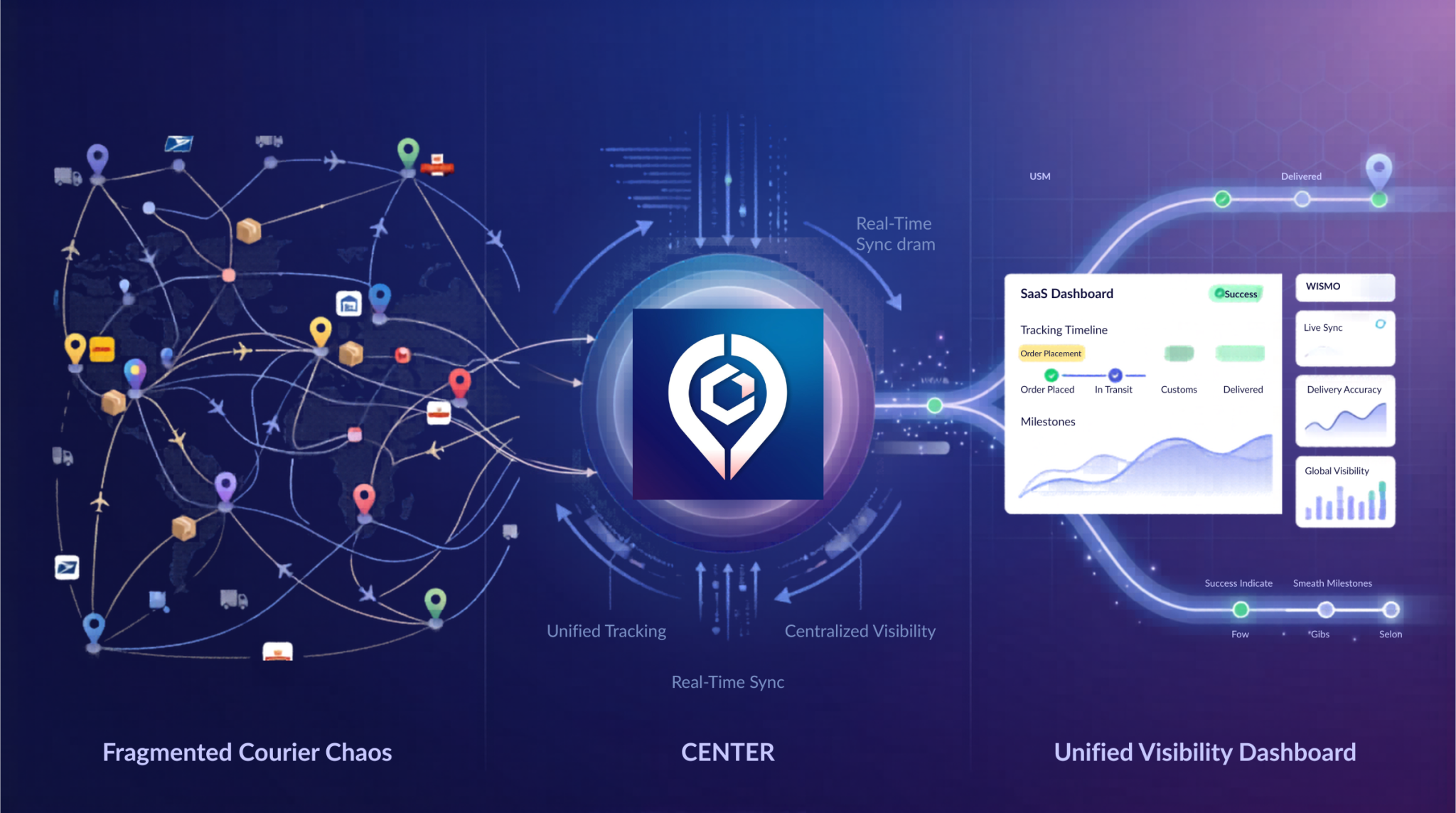
By implementing an API-first multi-carrier tracking framework, SenPrints secured its position as the highest-volume partner within the Trakow API cohort, delivering exceptional performance metrics across all global markets with 92% successful delivery rates.
Global Carrier Volume Breakdown (Rounded)
- USPS (United States): ~35,000 Shipments
- DHL & Yun Express (Global/Asia): ~3,000 Shipments each
- Royal Mail (United Kingdom): ~2,000 Shipments
- International Carriers (UPS, DPD Poland, LaPoste, AusPost, Spring GDS): Combined thousands of tracking requests across 50+ logistics networks.
"Integrating Trakow's multi-carrier tracking API completely transformed our global fulfillment visibility. Managing over 9,000 shipments a month across 50+ international couriers used to be an operational hurdle, but the real-time data syncs have completely eliminated our tracking blind spots. It's the ultimate scalable solution for high-volume print-on-demand platforms."
Maximizing E-Commerce Operational Efficiency via Automated Tracking Technology
For enterprise e-commerce applications and global print-on-demand networks, automated order tracking is no longer just a customer experience feature — it is a critical backend operational asset. By unifying 50+ international carrier streams into a single, low-latency API infrastructure, SenPrints completely eliminated visibility blind spots, sustained a 92% global delivery rate, and optimized customer service workflows. Relying on fragmented carrier links limits a business's ability to scale; deploying a centralized tracking API provides the operational efficiency needed to compete globally.